The psychology behind gambling: Why we play
The Thrill of Uncertainty
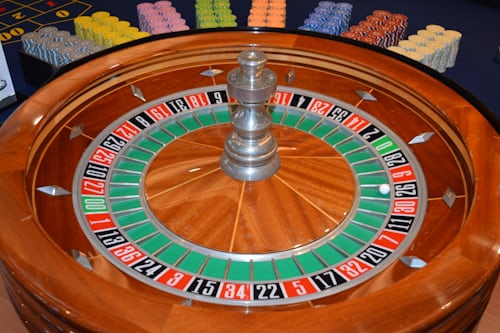
At the core of gambling lies the allure of uncertainty. The unpredictable nature of games—whether it be the roll of dice, the spin of a wheel, or the flip of a card—creates a thrilling experience. This unpredictability triggers the brain’s reward system, releasing dopamine, a neurotransmitter associated with pleasure. As a result, the anticipation of winning can often be more exhilarating than the win itself, especially when players invest in this gear that enhances their overall experience. People engage in gambling because it offers a unique blend of excitement and emotional highs that is hard to replicate in everyday life.

This thrilling uncertainty can be particularly appealing in a world where many aspects are predictable or controlled. The ability to enter a realm where chance reigns provides a sense of escape from daily routine. When individuals place bets, they momentarily step away from their responsibilities and immerse themselves in a world of possibility. This escape can serve as a coping mechanism for stress, leading many to gamble as a form of leisure even when the odds may not favor them.
Moreover, the psychology of risk-taking becomes an integral part of understanding why people gamble. For some, the risk is an important element of the thrill. The potential to lose everything amplifies the stakes, which can subsequently heighten the emotional response. This draws in individuals who thrive on adrenaline and seek experiences that challenge their comfort zones. The excitement surrounding the unknown becomes a significant motivator for participation in gambling activities.
The Social Element of Gambling
Gambling is often a social activity, one that brings people together in shared experiences of excitement and tension. Many individuals find pleasure in betting alongside friends or family, creating a communal atmosphere that enhances enjoyment. This social dimension can lead to bonding moments and shared memories, reinforcing positive associations with gambling. The interactions and conversations that occur during these activities can bolster relationships, making the act of gambling more than just a solitary pursuit.
In many cultures, gambling has a deep-rooted tradition and is often intertwined with celebrations and social gatherings. For instance, events such as poker nights, bingo games, or betting on sports can serve as key components of social interactions. The laughter, banter, and shared cheers of victory foster a sense of community, which can further entice individuals to participate. The social aspect diminishes the solitary nature of the activity and provides emotional support, especially in group settings.
Additionally, the influence of peer pressure cannot be overlooked. Individuals often feel compelled to gamble to fit in or enjoy the social perks that come along with it. This dynamic can lead to a cycle where social acceptance and the desire for excitement reinforce gambling behaviors. As friends share their successes and failures, the social validation encourages ongoing participation, making gambling a social norm within certain circles.
The Illusion of Control
The illusion of control is a significant psychological factor in gambling behavior. Many gamblers believe they have some influence over the outcomes of their bets, despite the inherent randomness of games. This is particularly evident in activities such as poker or sports betting, where individuals may overestimate their skill or knowledge. This cognitive bias can lead players to feel more confident in their decisions, pushing them to gamble more, often against better judgment.
This psychological phenomenon can be reinforced by occasional wins, which people interpret as proof of their skill or strategy. Even when luck is the primary factor, the feeling of having some degree of control can be intoxicating, resulting in further gambling. This belief can lead individuals down a path of chasing losses, as they rationalize that a winning streak is just around the corner. The notion that they can turn their luck around keeps them engaged, detrimental though it may be.
Moreover, gaming environments often employ techniques that enhance this illusion. The design of games and the choice of language used by dealers and staff can contribute to feelings of empowerment among players. By creating an environment that subtly encourages the belief in personal skill and control, these establishments can foster continued participation, ensuring that their patrons remain engaged and invested in their offerings.
The Psychological Toll of Gambling
Despite the thrill and social aspects, gambling can have serious psychological consequences for some individuals. The excitement can quickly spiral into problematic behavior, leading to gambling addiction. This addiction is characterized by an overwhelming preoccupation with gambling activities, which can affect personal relationships, employment, and financial stability. The compulsive need to continue gambling, even in the face of negative outcomes, often stems from a combination of psychological factors such as anxiety, depression, and low self-esteem.
The emotional highs associated with winning can become addictive, leading individuals to seek those feelings at any cost. As they chase the « big win, » many find themselves trapped in a cycle where losses fuel further gambling in the hope of recovery. This cycle can lead to significant distress, culminating in a range of mental health issues, including feelings of guilt, shame, and isolation. The psychological toll can also manifest in physical symptoms, such as increased stress levels or changes in sleep patterns.
It’s important to recognize the signs of gambling addiction and to seek help when necessary. Various resources exist to assist individuals struggling with compulsive gambling, including therapy and support groups. Acknowledging the psychological challenges associated with gambling can pave the way for recovery and can help individuals regain control over their lives while understanding the underlying motivations for their behavior.
Exploring Responsible Gambling Resources
While gambling can be entertaining, understanding the psychology behind why we play is crucial in promoting responsible gambling practices. Educating individuals about the psychological factors at play can encourage healthier attitudes towards gambling. Many organizations provide resources aimed at helping players understand their behavior and its implications. These resources often focus on promoting moderation and recognizing the signs of problematic gambling.
Websites and forums dedicated to responsible gambling offer valuable insights and strategies to ensure that individuals gamble within their means. Tips often include setting strict limits on time and money spent, recognizing when to stop, and understanding the odds of games. Furthermore, these platforms can create communities where individuals can share their experiences and support one another in making informed decisions.
Ultimately, gambling should be viewed as a form of entertainment rather than a means of financial gain. The psychological motivations that drive individuals to gamble can be complex, but recognizing these motivations can foster a healthier gambling culture. By utilizing the available resources and engaging in responsible gambling practices, individuals can enjoy the thrill of play while minimizing potential risks.